Choose a fragrance you will still love next month
Concentrations, notes, and how to test a scent before you commit.
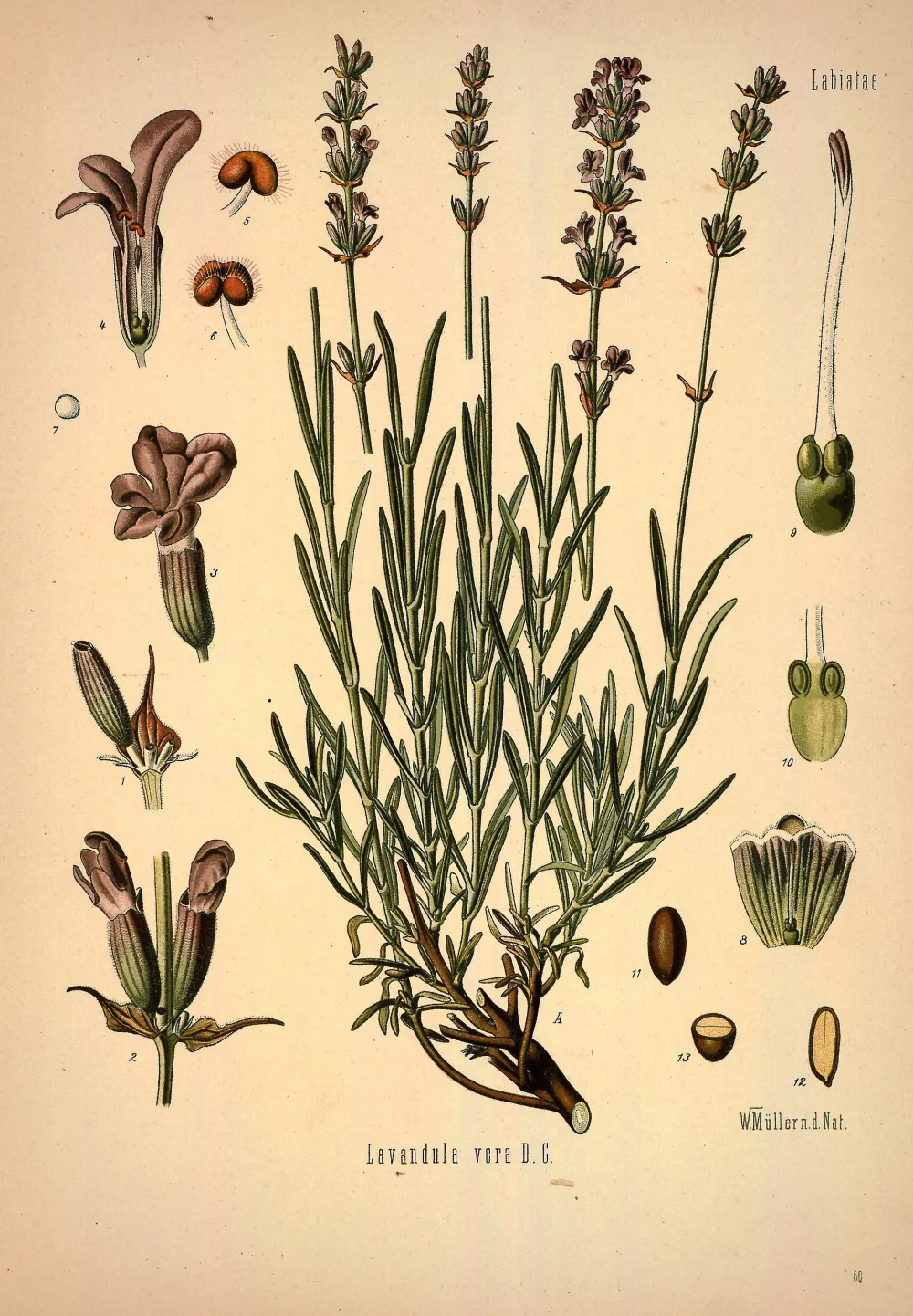
A fragrance changes on the skin over hours. The first spray is only the opening; what you live with is the heart and the base. Choosing well means giving a scent time.
Concentrations
- Parfum or extrait: the highest oil concentration, usually 20% or more. Long-lasting, worn close to the skin.
- Eau de parfum (EDP): roughly 15–20%. The most common choice for all-day wear.
- Eau de toilette (EDT): roughly 5–15%. Lighter, brighter, well suited to heat.
- Body mists and colognes: lighter still, for a quick refresh.
- Attars and perfume oils: concentrated oils without alcohol, applied with a roller or wand.
In Hong Kong's heat, scent projects more strongly. Many people prefer an EDT or a lighter EDP in summer and save richer scents for cooler months.
Notes
- Top notes (citrus, herbs, light fruits) last minutes.
- Heart notes (florals such as rose and jasmine, spices) emerge after 15–30 minutes.
- Base notes (woods, musk, vanilla, amber) last for hours and decide how a scent feels at the end of the day.
How to test
- Spray on skin, not only on a paper strip. Skin chemistry changes how a scent develops.
- Test no more than three scents at a time, on different wrists or arms.
- Leave the shop. Smell it again after one hour and after four.
- If you are unsure, buy a sample or travel size first.
Wearing it
Apply to pulse points, such as the wrists, neck and inner elbows, and do not rub your wrists together, which bruises top notes. Store bottles away from sunlight and heat.
Browse
The fragrance shelf groups eau de parfum, eau de toilette, mists and oils from every brand in the library.


