Hyaluronic acid, glycerin and the humectant family
How humectants, emollients and occlusives work together, and how to use them in humid or air-conditioned rooms.
"Hydrating" may be the most overused word on a skincare label. It sounds simple, but skin hydration actually depends on three groups of ingredients that each do a different job. Once you know which group an ingredient belongs to, it becomes much easier to see why one cream feels perfect in July and does very little in a cold, air-conditioned office in January.
Three jobs, three families
A good moisturiser usually contains ingredients from all three groups below, in different proportions.
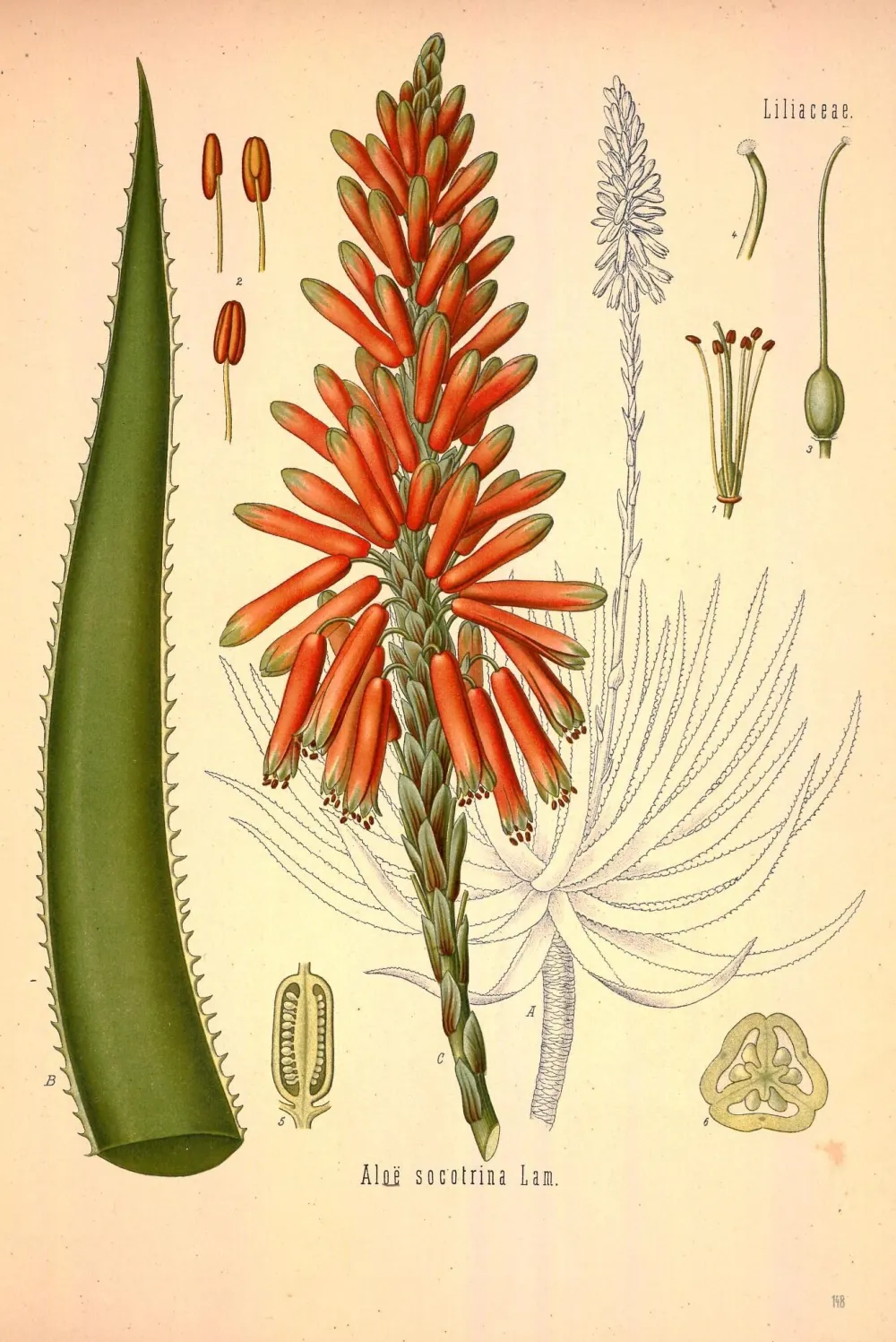
- Humectants draw water in. These are water-loving molecules that attract moisture and hold it in the upper layers of the skin. Glycerin and hyaluronic acid are the best known. Panthenol, aloe, urea and sodium PCA belong to the same family.
- Emollients smooth. They fill the small gaps between skin cells, so skin feels softer and less rough. Squalane, plant oils, fatty alcohols and ceramides all fall into this group. Ceramides also help support the skin's own barrier.
- Occlusives seal. They form a thin layer on the surface that slows water loss through evaporation. Petrolatum, dimethicone, beeswax and heavier butters such as shea are typical examples.
If you use a humectant on its own, it holds water but nothing stops that water from escaping. If you use an occlusive on its own, it seals in whatever is already there, which may not be much. Used together, they work much better.
Glycerin versus hyaluronic acid
Hyaluronic acid gets most of the attention, but glycerin is the quiet workhorse. It has been used for a very long time, it is inexpensive and well tolerated, and you will find it near the top of a great many ingredient lists. Hyaluronic acid comes in different molecular sizes, and many serums combine several of them. Neither one is simply better. A product that contains both, sitting on top of a decent moisturiser, covers most needs.
Humidity versus air conditioning
Humectants pull water from wherever there is more of it. In a Hong Kong summer the air is full of moisture, so humectants can draw from it, and a light gel or water-based lotion is often all you need. Heavy occlusives can feel sticky on a humid commute.
Indoors it is a different story. Long hours in air-conditioned offices, MTR carriages and bedrooms make the air much drier. When there is little moisture around, a humectant may draw water up from deeper in the skin, and that water then evaporates. This is why some people notice tightness after using a hyaluronic serum. The answer is not to stop using it, but to add an emollient or occlusive layer on top. The same applies on dry winter days and on flights.
Layering on damp skin
Humectants work best when they have water to hold onto.
- Cleanse, then pat lightly so your skin is still a little damp.
- Apply a hydrating toner, essence or serum within a minute or so.
- Follow with your moisturiser while the skin still feels slightly tacky.
- At night in air conditioning, consider a richer cream or a thin layer of occlusive balm on dry patches.
- In the morning, finish with sunscreen.
Reading the label
Ingredients are generally listed in descending order of concentration, so glycerin near the start of the list tells you more than hyaluronic acid near the end. Some products contain humectants alone and depend on you to add something on top. Our guide to reading an ingredient list explains the conventions.
This is general information, not medical advice. If dryness, flaking or itching keeps coming back, speak to a pharmacist, doctor or dermatologist.
Further reading
To compare products, browse the moisturisers shelf and serums and treatments, or see where hydrating steps fit in building a skincare routine. More ingredient explainers are in the guides section.


