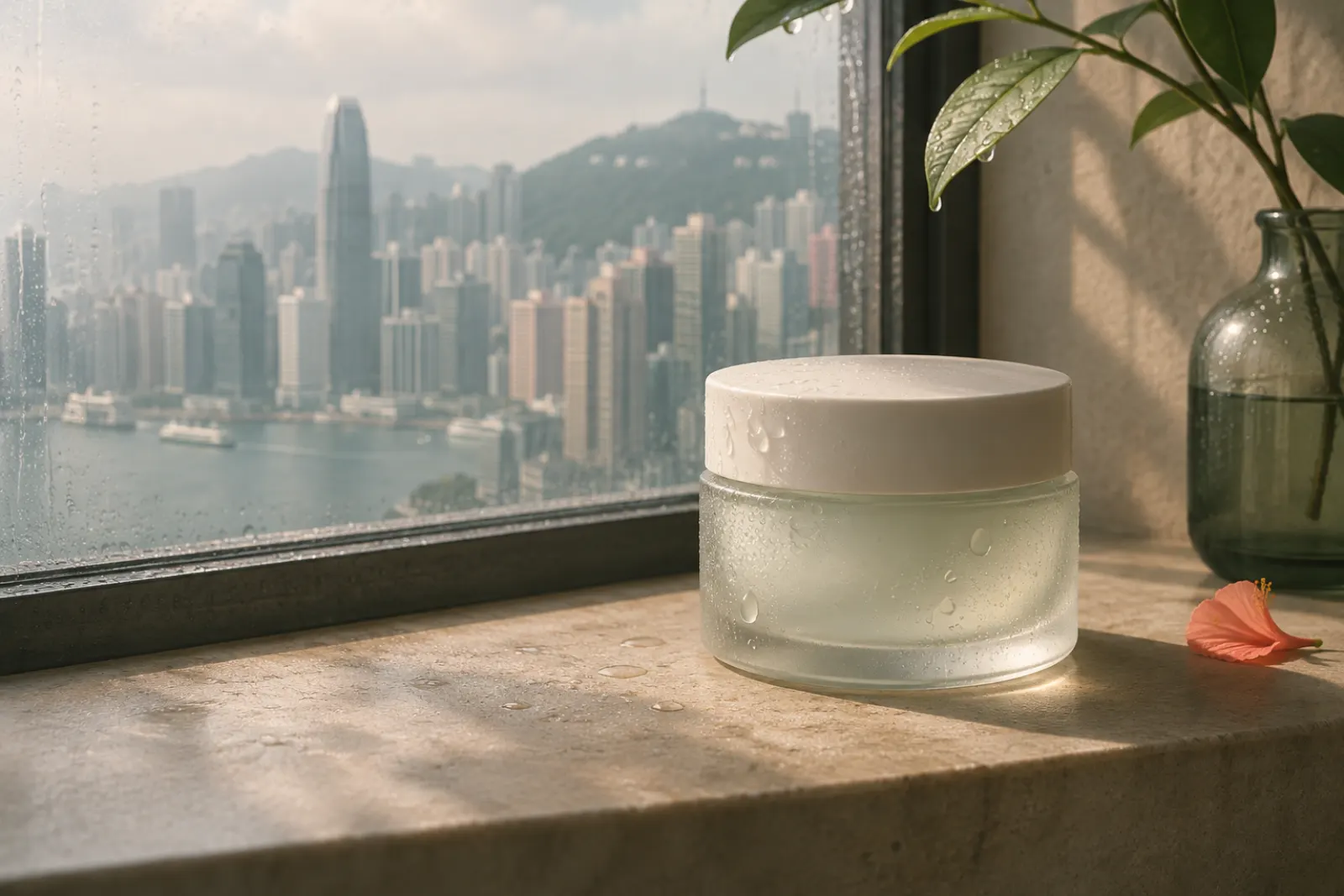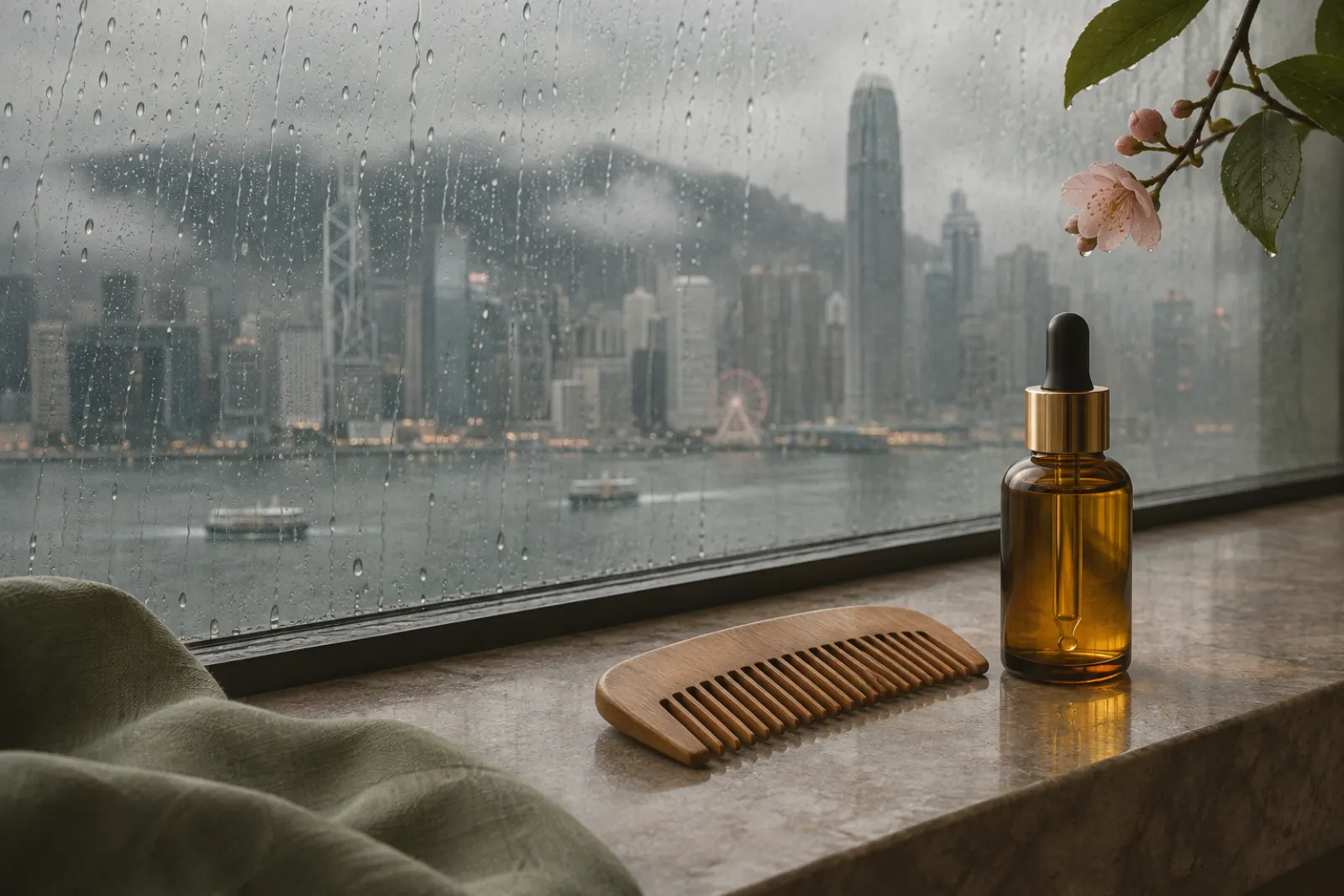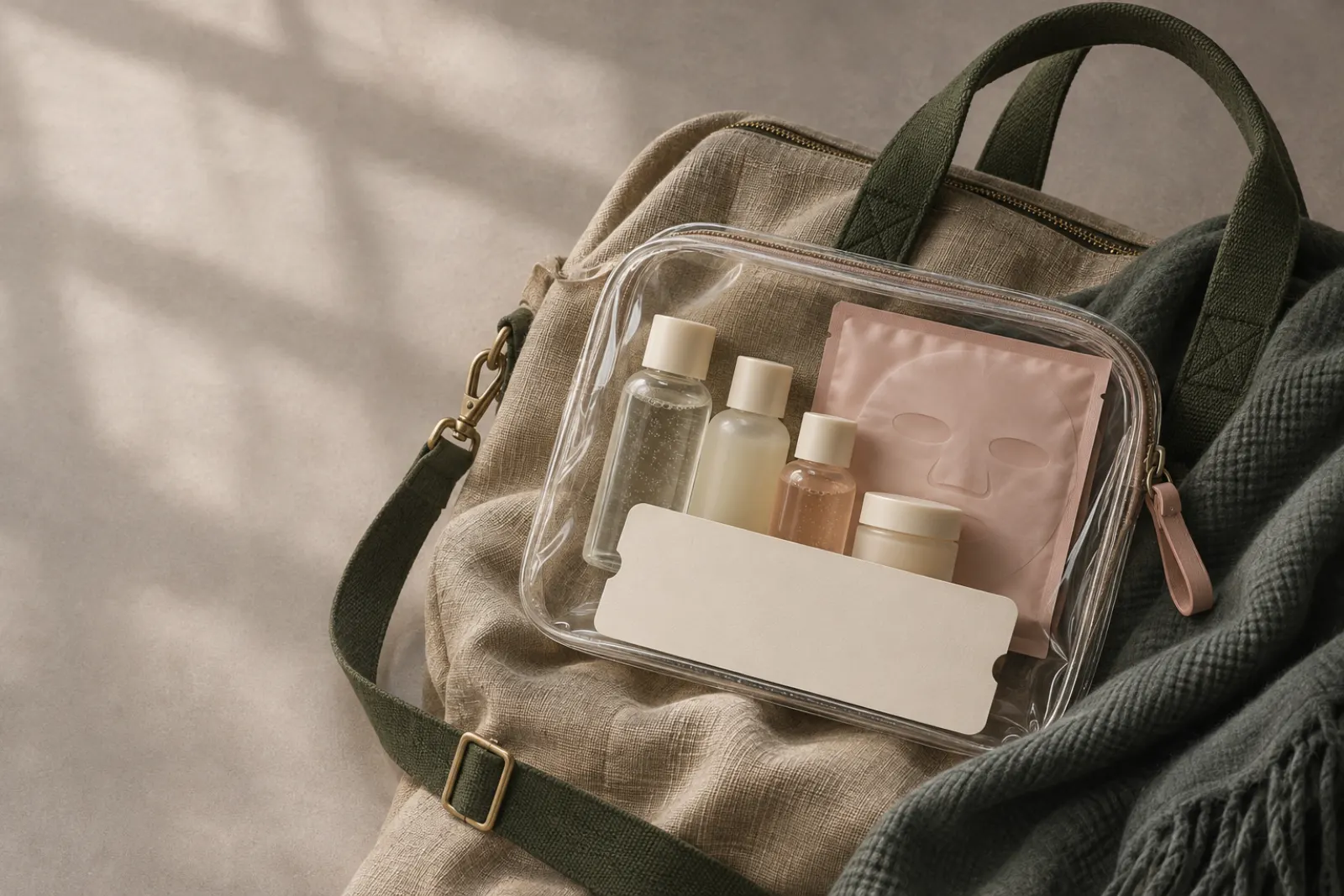
Short-haul travel is part of life in Hong Kong. A long weekend in Taipei, a work trip to Singapore or a few days in Tokyo can come round quickly, and packing often happens the night before. Skincare gets left until last and comes out as a heap of half-used bottles, or else gets forgotten altogether. A small, well-chosen kit saves space, gets through security more easily and looks after your skin in dry cabins, unfamiliar climates and hotel rooms where the air conditioning never goes off.
Start with what your skin already knows
A trip is not the time to try something new. Unfamiliar products, especially strong ones, can bring on irritation just when you can least deal with it. Build your kit from the routine you already use at home and cut it down to the basics:
- A gentle cleanser for the end of the day, plus a cleansing balm or oil if you wear sunscreen or makeup.
- A hydrating layer, such as a serum or essence with humectants like hyaluronic acid or glycerin.
- A moisturiser that suits where you are going. Something richer for cold, dry places and something lighter for the tropics.
- Sunscreen, which goes in every bag, whatever the forecast.
- Lip balm, which makes a big difference on a plane.
If you use strong actives such as retinol or exfoliating acids, think about leaving them at home for a short trip, or at least easing off. Travel, sun and dry air already put your skin under pressure. Our guide to using actives without irritation explains more.
Liquids and hand luggage
Cabin rules on liquids, gels, creams and aerosols differ between airports and airlines, and they change over time. Many airports limit each container to a small size and ask for everything to go into one clear, resealable bag. Others have started to relax these rules where newer scanners are in use. Check the current rules with your airline and with each airport on your route, including the return leg, before you pack.
A few habits make things easier:
- Use refillable travel bottles for anything you need in the cabin, and label them.
- Pick solid formats where you can. Cleansing balms, stick moisturisers and lip balms take up little room and are less likely to leak.
- Put sealed, full-sized products in checked luggage, wrapped in a zip bag in case they leak.
- Leave a little air at the top of bottles and press out the excess before closing, because changes in cabin pressure can force caps open.
In the cabin
Aeroplane air is very dry, and even a three-hour flight can leave your skin tight and your lips cracked. Keep it simple. Get on board with clean, moisturised skin, then add a thin layer of moisturiser or a balm partway through the flight if you feel dry. A small tube of hand cream helps too. Drinking water steadily during the flight is a sensible habit.
This is where sheet masks and overnight masks can earn their spot, but they are often easier to use in the hotel than in a cramped seat. A hydrating mask on the first night can help skin that feels dull after the journey. Browse the masks shelf for options that suit your skin type.
If you take a daytime flight, remember that UV can reach you through aeroplane windows. A window seat is a good reason to reapply sunscreen.
At your destination
Hong Kong skin gets used to humidity, and a sudden move to cold, dry air or strong sunshine can catch it out. Some practical changes:
- Cold or dry destinations: add a richer cream at night, or a few drops of a facial oil such as squalane on top of your moisturiser. Ingredients like ceramides help support the skin barrier.
- Hot, humid or beach destinations: use lighter textures, wear a water-resistant sunscreen and reapply it often. Our guide to sunscreen for Hong Kong also works well for similar climates.
- Hotel rooms: air conditioning dries skin overnight. Turning the temperature up a little and putting on a slightly heavier layer before bed can help.
If your skin reacts badly while you are away, stop using any new product and keep things gentle. This is general information, not medical advice. For irritation that persists or gets worse, see a pharmacist, doctor or dermatologist.
Next steps
Begin with the routine you already trust. Our guide to building a skincare routine can help you work out which steps really matter. To find travel-friendly formats, browse the moisturisers, sunscreen and eye and lip care shelves, or explore more in skincare.