Cleanser is the product most of us think about least. It's on the skin for under a minute, then it goes down the drain. Still, that minute matters. How a cleanser behaves on the skin's surface can decide whether your face feels calm and comfortable afterwards, or tight, flaky and slightly sore by lunchtime. Much of that comes down to pH, and to what the skin's surface needs in order to do its job.
What skin pH actually means
pH is a scale from 0 to 14 that measures how acidic or alkaline something is. Seven is neutral. Anything below seven is acidic and anything above it is alkaline. Healthy skin has a slightly acidic surface, usually described as somewhere around the mid-fours to mid-fives, though it varies from person to person and between areas of the body.
This mildly acidic layer is often called the acid mantle. It isn't a separate coating. It forms from sweat, natural oils, the skin's own fatty acids and by-products of the skin's normal renewal. Its slight acidity supports a few useful things:
- the enzymes that help the outer layer shed and renew in an orderly way
- the lipids, such as ceramides, that hold skin cells together like mortar between bricks
- a balanced community of microbes that live on the skin
When the surface stays roughly where it should be, the skin barrier tends to hold water better and react less.
How cleansers shift the balance
Every cleanser has its own pH, and washing your face nudges the surface for a while. Healthy skin usually brings it back within a few hours. The trouble starts when the nudge is large, frequent, or combined with harsh cleaning agents.
Traditional bar soaps are often alkaline. Strong surfactants, the ingredients that lift oil and grime, can also remove more of the skin's own lipids than you would want. Together, a high pH and aggressive surfactants can leave the barrier weaker, which some people notice as:
- a squeaky, tight feeling straight after rinsing
- dryness or flaking around the nose and mouth
- stinging when you apply serums or sunscreen afterwards
- redness that lasts longer than it used to
That squeaky-clean feeling often gets mistaken for a sign that a cleanser is working well. In practice, it usually means more has been taken off than was needed.
The Hong Kong factor
Life here puts its own demands on the skin. Humid summers make many people want to wash more often and with stronger products, particularly after a sweaty MTR commute or a weekend on the hiking trails. Then the air conditioning in offices, malls and trains dries the skin out again. High UV means daily sunscreen, often water-resistant formulas that need proper removal at night.
The result can be a cycle of over-cleansing, tightness and then heavier moisturiser, which may in turn feel clogging in the heat. A gentle, low-pH cleanser can help break the cycle, because it cleans well enough without leaving the skin stripped.
Choosing a gentler cleanser
Few brands print the pH on the pack, so you'll often need to read the clues instead.
- Look for "low pH", "pH balanced" or "soap-free" on the label. These are helpful signals, though they aren't regulated terms.
- Check the ingredient list. Milder surfactants are often paired with supportive ingredients such as glycerin, ceramides or panthenol. Our guide on how to read an ingredient list explains what to look for.
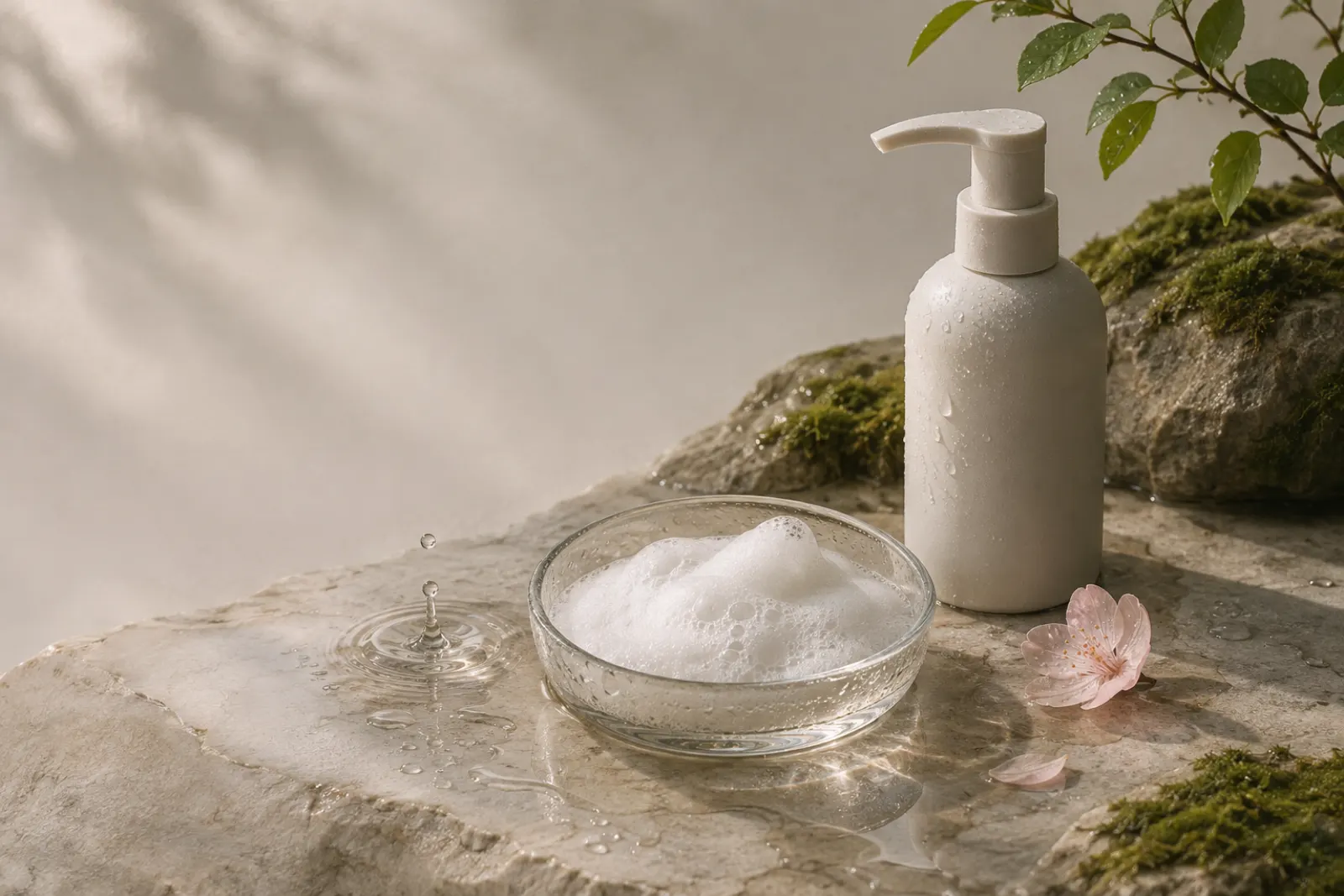
- Match the texture to your day. Gel and light foam cleansers suit humid mornings. Cream or milk cleansers can suit drier or air-conditioned skin. An oil or balm first step can help dissolve sunscreen and makeup at night, so the second cleanse can be gentle.
- Notice how your skin feels afterwards. About ten minutes after washing, your skin should feel clean and comfortable, not tight.
Lukewarm water, a short wash and patting dry with a clean towel all help too. If you use exfoliating acids or retinol, a gentle cleanser matters even more. See actives without irritation.
This is general information, not medical advice. If dryness, redness or breakouts persist, speak to a pharmacist, doctor or dermatologist.
On the shelf
To compare formulas, browse the cleansers shelf or explore skincare more widely. When you're ready to put the steps together, build a skincare routine walks through the order. For night-time removal, it's also worth reading sunscreen for Hong Kong.