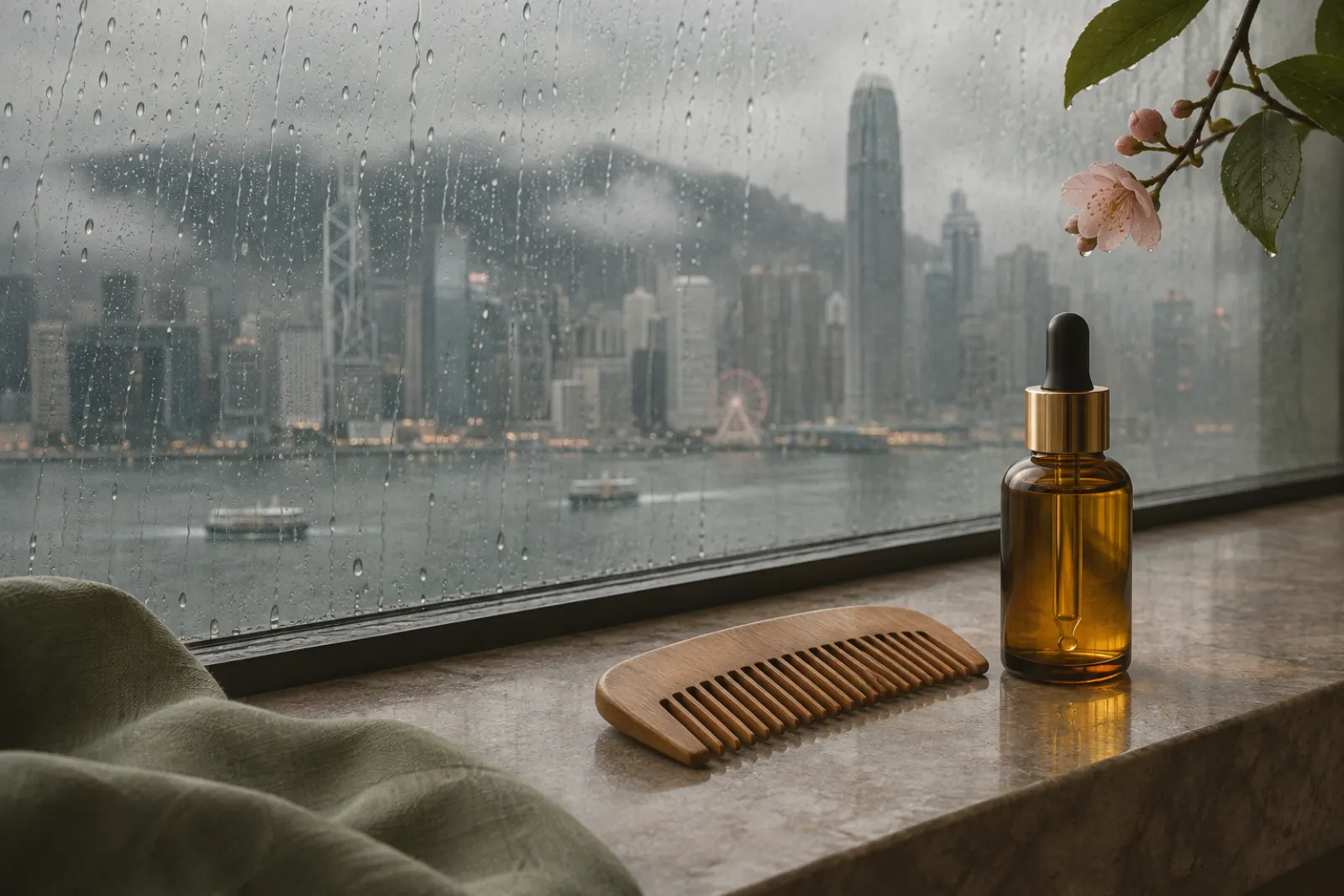
Typhoon season in Hong Kong tests hair in ways few other climates do. You get heavy, warm air for weeks, sudden downpours between the office and the MTR, and then the dry chill of air conditioning once you get indoors. Hair that behaved perfectly in a cool, dry spring can turn puffy, limp or tangled by lunchtime. The answer is rarely a single miracle product. What helps is a steady routine that keeps moisture balanced, cuts down on friction and accepts that some days call for a simpler style.
Why humidity unsettles hair
Hair absorbs water from the air. When the outer layer, the cuticle, is raised or worn, strands take on moisture unevenly and swell, which is what we see as frizz. Curly, coily, bleached or heat-styled hair tends to react most, but fine straight hair has its own trouble in damp weather: it goes flat and slightly greasy at the roots.
So the aim is not to dry hair out. It is to keep the lengths smooth and well conditioned so they have less reason to pull in moisture from the air, and to keep the scalp clean and comfortable.
Wash day, adjusted for the season
Small changes to how you wash and condition make the biggest difference.
- Cleanse the scalp, condition the lengths. Focus shampoo where oil and sweat build up. Use conditioner mainly from mid-length to ends.
- Don't rush the conditioner. Give it a few minutes, then detangle gently with a wide-tooth comb while it is still in.
- Rinse with cooler water at the end. It is comfortable on a hot day, and many people find their hair feels smoother for it.
- Blot rather than rub. A microfibre towel or soft cotton T-shirt causes less friction than a rough towel.
- Seal while damp. A leave-in conditioner, light cream or a few drops of hair oil on the lengths gives a smoother surface. Look for familiar conditioning ingredients such as glycerin, panthenol or squalane, and use less than you think you need.
Humectants such as glycerin attract water, which suits some hair in damp air and leaves other hair feeling heavy. If your hair puffs up with a particular leave-in on muggy days, try something with more oils or film-forming ingredients instead.
Styling that survives a downpour
If you heat-style, keep the temperature moderate and use a heat protectant. Hair that is only partly dried will often frizz the moment you step outside, so dry it fully, especially at the roots and nape.
On amber or red rainstorm warning days, protective styles take the pressure off:
- Low buns, braids or twists keep the lengths together and reduce tangling.
- Soft scrunchies or spiral ties are gentler than tight elastic bands.
- A smooth headscarf or a hood is better than an umbrella alone when the rain blows sideways.
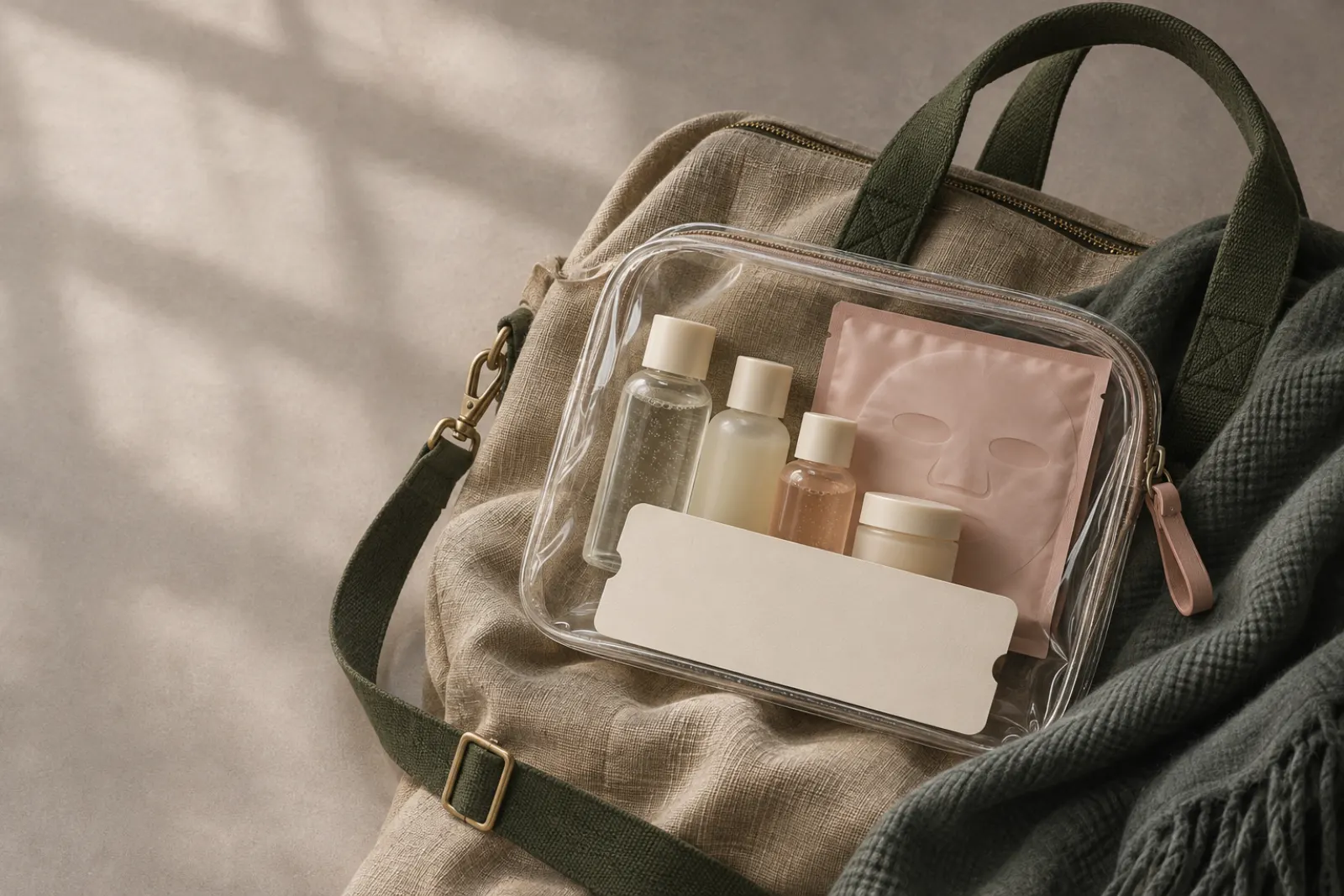
Keep a small kit in your bag: a spare tie, a travel-size leave-in or oil, and a compact comb. Two minutes in the office bathroom can rescue a soaked commute.
Scalp care in the damp months
Sweat, rain and long hours with hair tied up can leave the scalp itchy or flaky. Wash as often as your scalp needs; in sticky weather that may well be more often than in winter. Don't go to bed with hair tied up wet, and dry the scalp properly after being caught in the rain. If you have persistent itching, flaking, soreness or unusual shedding, see a pharmacist, doctor or dermatologist. This article is general information, not medical advice.
Plan around the weather, not against it
The most realistic typhoon-season plan is a flexible one. Check the forecast the night before. Keep big styling efforts for clearer days, and have an easy fallback for storm signals and days stuck at home. Air conditioning dries hair out, so a light refresh of the ends in the evening helps keep the lengths balanced through weeks of going from damp to dry and back.
Next steps
For more on adjusting your routine to the climate, read our guide to hair care in humidity, or browse the hair care shelf for conditioners, leave-ins and oils. If ingredient labels are confusing, how to read an ingredient list is a good place to start, and you will find more seasonal advice under hair care and in the Journal.