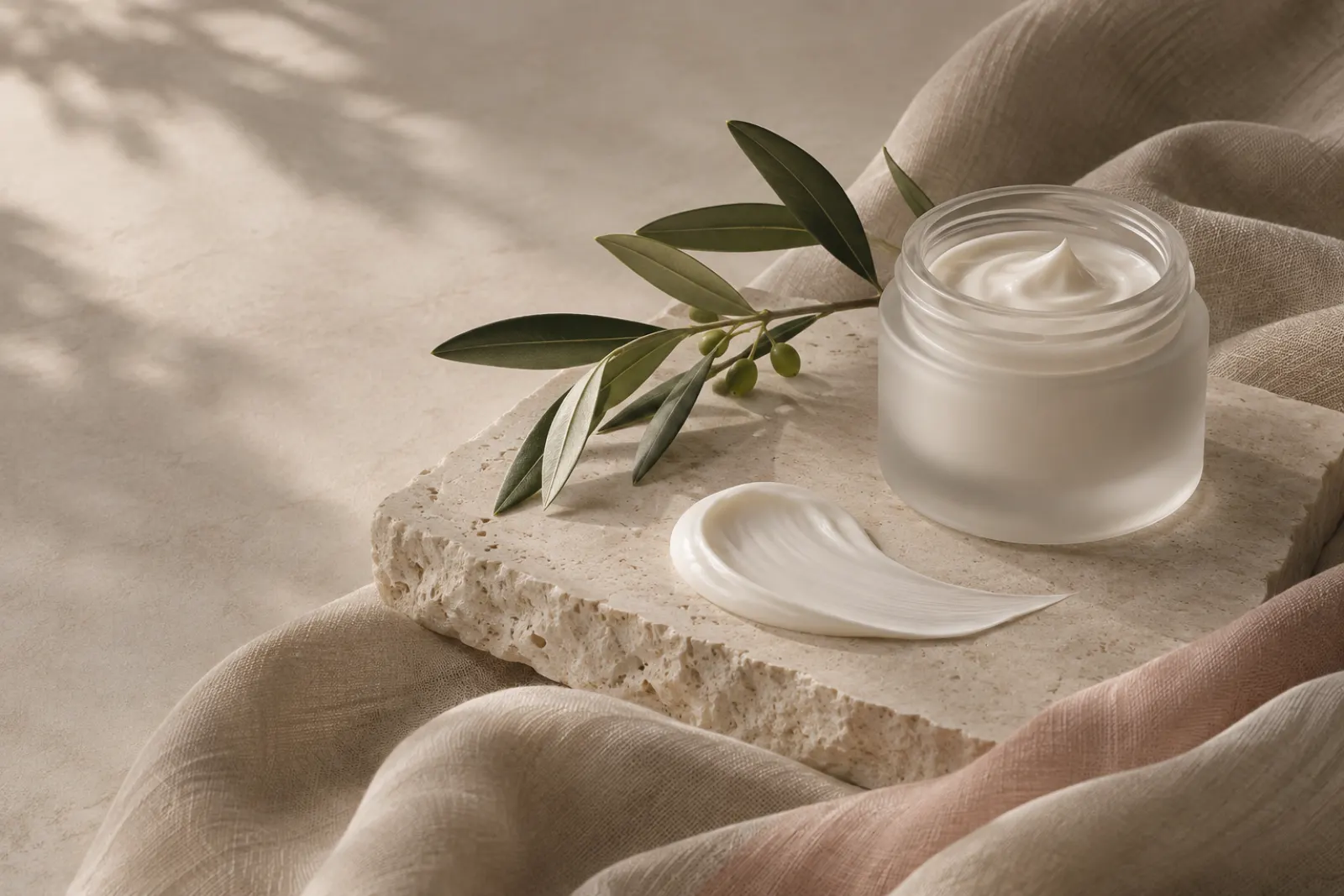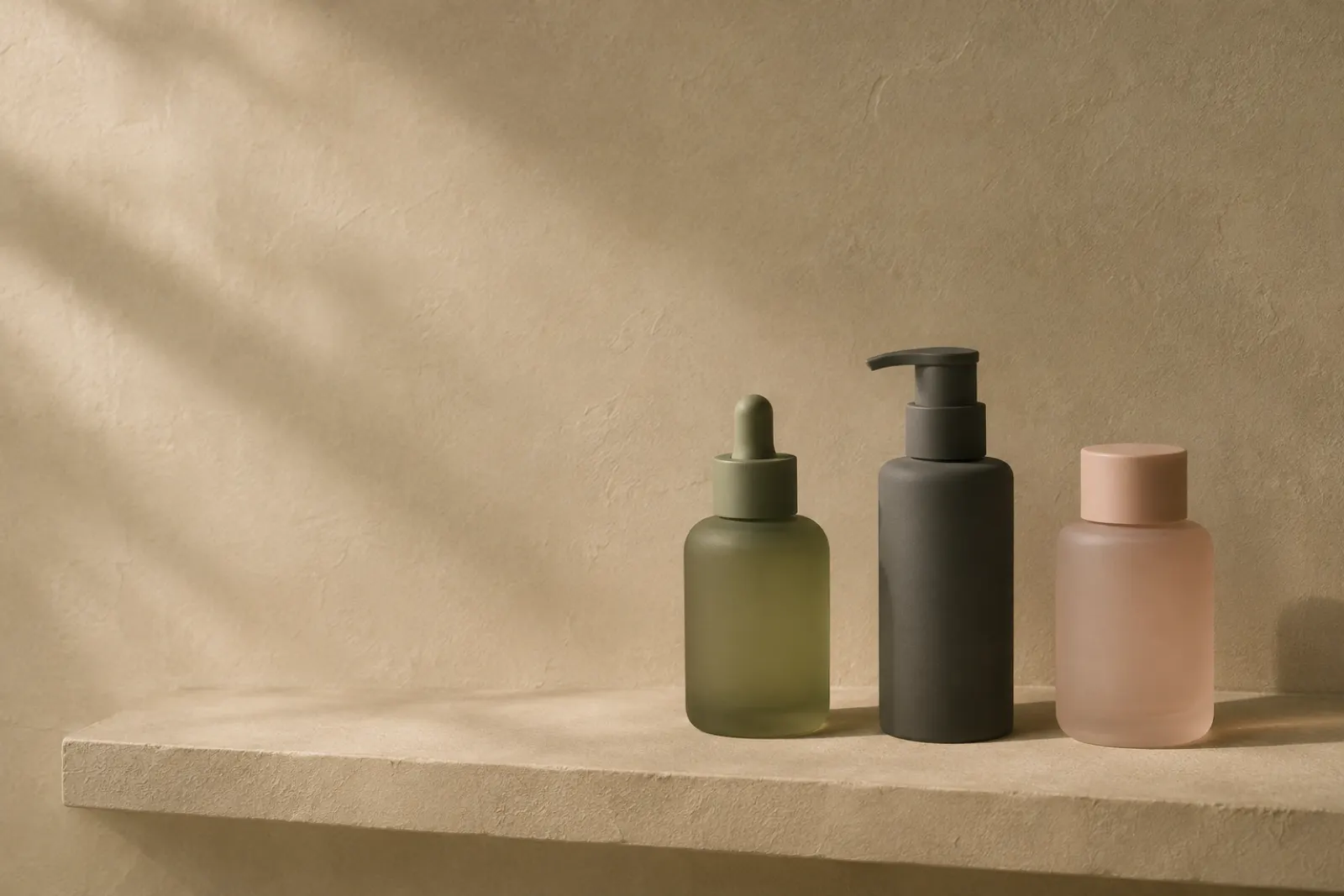
Look along any bathroom shelf in Hong Kong and you'll find a small skyline of pumps, tubes and jars. Body wash, lotion, hand cream, scrub: most of it comes in plastic, and much of it gets used up quickly. Refill pouches, refillable bottles and "recyclable" labels are now common in body care. Some of these make a real difference and some mostly make you feel better. Here is a calm look at how to tell which is which, and how to make the switch without wasting product along the way.
Why body care is a good place to start
Body care goes through packaging faster than almost anything else in a routine. A face serum can last for months, but in a humid climate a family bottle of shower gel may be finished in a few weeks. That high turnover is why refills tend to make the most sense here.
Body products are also usually quite simple to decant. Washes, lotions and liquid soaps pour easily and don't usually need airtight or light-proof packaging the way some active treatments do. That makes them a forgiving first step.
Refills: pouches, bottles and stations
Refills come in a few main forms, and each has its own trade-offs.
- Refill pouches. Soft pouches generally use less material than a rigid bottle, and they are lighter to carry home on the MTR. The downside is that many are made of layered plastics that are hard to recycle, so the benefit comes mainly from using less material in the first place.
- Refillable bottles. A sturdy bottle that you keep for years works best for things you buy over and over, such as hand wash or body wash. Choose one with a pump you can take apart and rinse.
- Refill stations. Some shops let you fill your own container. Clean it and let it dry fully first, because water left inside can encourage microbial growth, especially in Hong Kong's summer humidity.
A refill only reduces waste if you actually keep using the container. A refillable bottle that gets replaced every season because it no longer matches the bathroom undoes much of the point.
Reading recycling claims carefully
A recycling symbol on the base of a bottle tells you what the plastic is. It doesn't tell you whether your local collection point accepts it. Before you rely on any label, check what your building or nearby recycling point actually takes.
Practical habits that help:
- Separate the parts. Pumps often contain metal springs and mixed plastics, so take them off the bottle where you can.
- Rinse lightly. Residue from lotion or oil can contaminate a recycling batch. A quick rinse is usually enough, and you don't need hot water.
- Look for mono-materials. Packaging made from one type of material is generally easier to process than tubes with foil layers or bottles with attached sleeves.
- Be wary of vague wording. Phrases such as "eco-friendly packaging" without any further detail tell you very little.
Formats that skip the bottle
Some products avoid most packaging altogether. Solid cleansing bars, solid shampoos and balm-style moisturisers often come wrapped in paper or card. They also travel well for short-haul trips because they don't count towards liquid allowances.
In Hong Kong, keeping them dry is the main challenge. Store bars on a draining dish away from the shower spray, otherwise they soften and wear away quickly. Balms can melt on a hot windowsill, so keep them somewhere cool and shaded.
If you have sensitive or very dry skin, check the ingredient list on solid formats just as carefully as on liquids. Traditional soap bars can feel drying for some people, so look for gentler cleansing bars with moisturising ingredients such as glycerin or shea. Our guide to reading an ingredient list can help.
Use what you have first
The lowest-waste product is usually the one already in your cabinet. Before buying refills, finish what's open. Cut tubes open to reach the last of the cream, and turn pump bottles upside down. If something has changed in smell, colour or texture, though, don't use it up. Discard it, as that is general hygiene advice. This is general information, not medical advice. If a product causes persistent irritation, speak to a pharmacist, doctor or dermatologist.
Next steps
Start with the one or two body products you replace most often, and switch those to a refill or solid format. To browse by type, visit the body care shelf or the wider body section. For more on building a simple routine around fewer products, see how to build a skincare routine, and find more trend pieces in the Journal.