Walk through any busy shopping street in Hong Kong and you will see shelves that look to Seoul and Tokyo in equal measure. Korean and Japanese skincare have shaped how many of us cleanse, layer and protect, yet they grew from quite different ideas. Knowing what each tradition values makes it easier to choose with care rather than following whatever is newest in the window.
The Korean approach: layering and play
Korean skincare is often linked with a step-by-step routine built around hydration. The thinking is that thin, watery layers soak in more comfortably than one heavy cream, and that well-hydrated skin looks smooth and bright.
The things people usually associate with it include:
- Layering light textures, such as toners, essences and serums, before a moisturiser
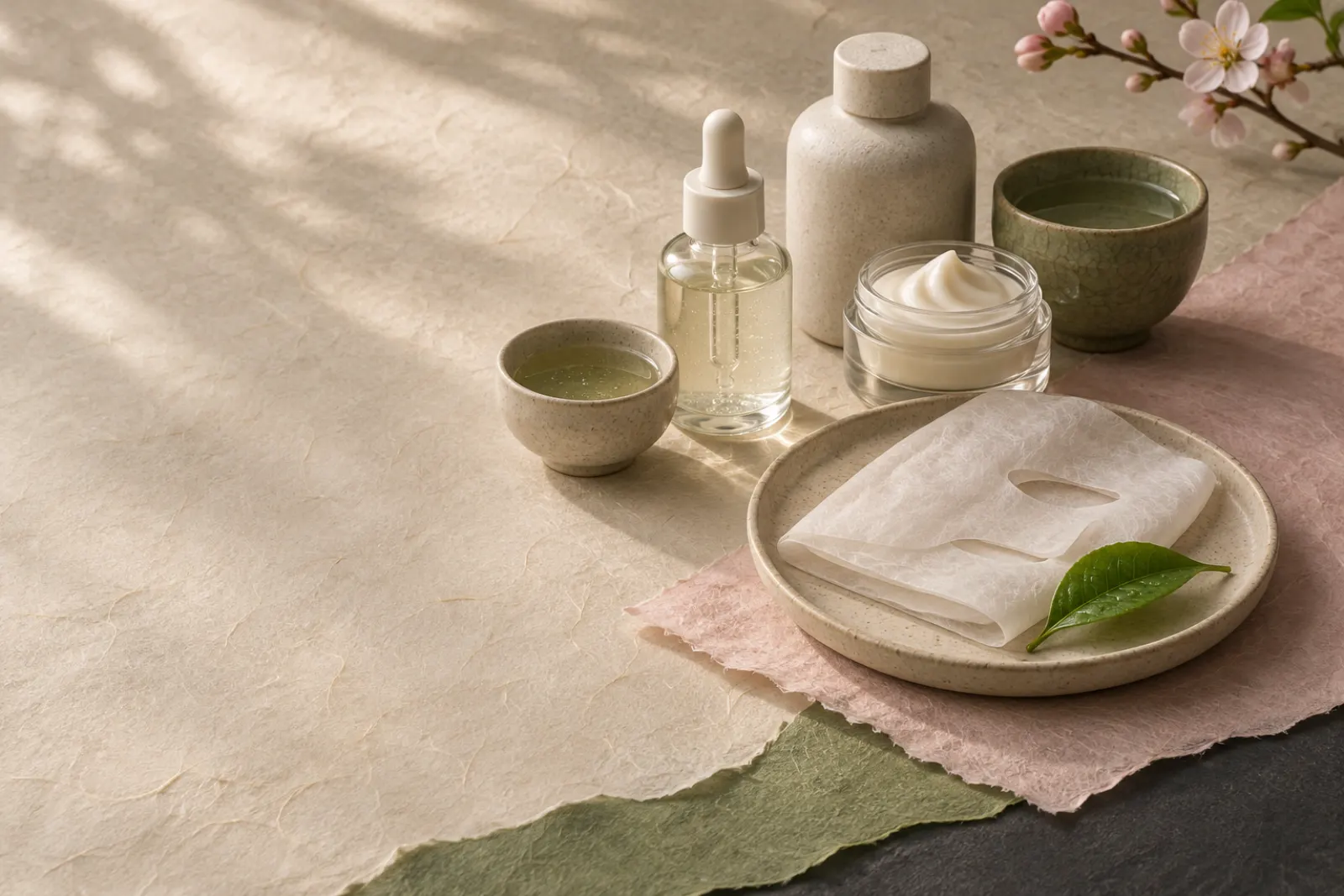
- Sheet masks and other treats used as a regular ritual
- New formats and textures: gels, jellies, cushion compacts and creative packaging
- Botanical and fermented ingredients, often alongside familiar hydrators such as glycerin and hyaluronic acid
- Fast-moving trends, with new ideas arriving and fading quickly
At its best, the Korean approach makes skincare feel fun and encourages people to pay attention to their skin. At its worst, it can push you to buy more steps than your skin needs.
The Japanese approach: refinement and restraint
Japanese skincare tends to put more weight on gentleness, consistency and careful formulation. Routines are often shorter and change slowly. Instead of chasing novelty, the aim is to look after the skin quietly every day.
Common threads include:
- Thorough but gentle cleansing, often with an oil cleanser followed by a soft foaming wash
- The lotion step: a hydrating, watery toner patted in, sometimes in several thin passes
- Highly refined sunscreens with light, comfortable textures that suit daily wear
- Respect for long-standing ingredients such as rice, green tea and camellia oil
- Familiar formulas that brands keep improving over years, rather than replacing each season
The Japanese approach rewards patience. It suits people who would rather keep a dependable routine than try something new every month.
Where the two meet
The overlap is bigger than the differences. Both traditions:
- Treat hydration as the base of healthy-looking skin
- Value daily sun protection, which matters a great deal under Hong Kong's strong UV
- Prefer comfortable textures to harsh, stripping ones
- Give the toner or essence step a central role, rather than seeing it as optional
That last point explains why toners and essences sell so well across the region. In both traditions, a watery hydrating layer after cleansing is less about "rebalancing" the skin and more about getting it ready for whatever comes next. For a closer look at the step, see our toners and essences shelf.
How Hong Kong shops
Hong Kong shoppers rarely pledge loyalty to one camp. Most routines here mix and match, shaped by local conditions:
- Humidity calls for lighter textures. From late spring to autumn, many people move from creams to gels and watery essences, an idea both traditions support.
- Air conditioning dries skin out. Long hours in chilled offices and MTR carriages make a hydrating toner or essence useful even in summer.
- Sunscreen is non-negotiable. Light, cosmetically elegant sunscreens are popular because they wear well under makeup and on the hiking trail.
- Travel shapes habits. Short trips to Seoul or Tokyo mean many people try products at the source and bring home travel sizes.
- Pharmacies and beauty chains sit side by side, so it is easy to compare styles on the same afternoon.
The sensible way to shop is to borrow principles, not whole routines. Take the Japanese habit of gentle consistency and the Korean focus on hydration, then cut the steps down to what your skin actually notices. Add new products one at a time so you can tell what is helping. This is general information, not medical advice. If irritation, breakouts or sensitivity carry on, speak to a pharmacist, doctor or dermatologist.
Next steps
If you are rethinking your routine, start with how to build a skincare routine and learn to read an ingredient list so you can judge a formula beyond its origin. Browse toners and essences in the library, and check our sunscreen guide for Hong Kong before the next sunny weekend. For more on trends, visit the Journal.